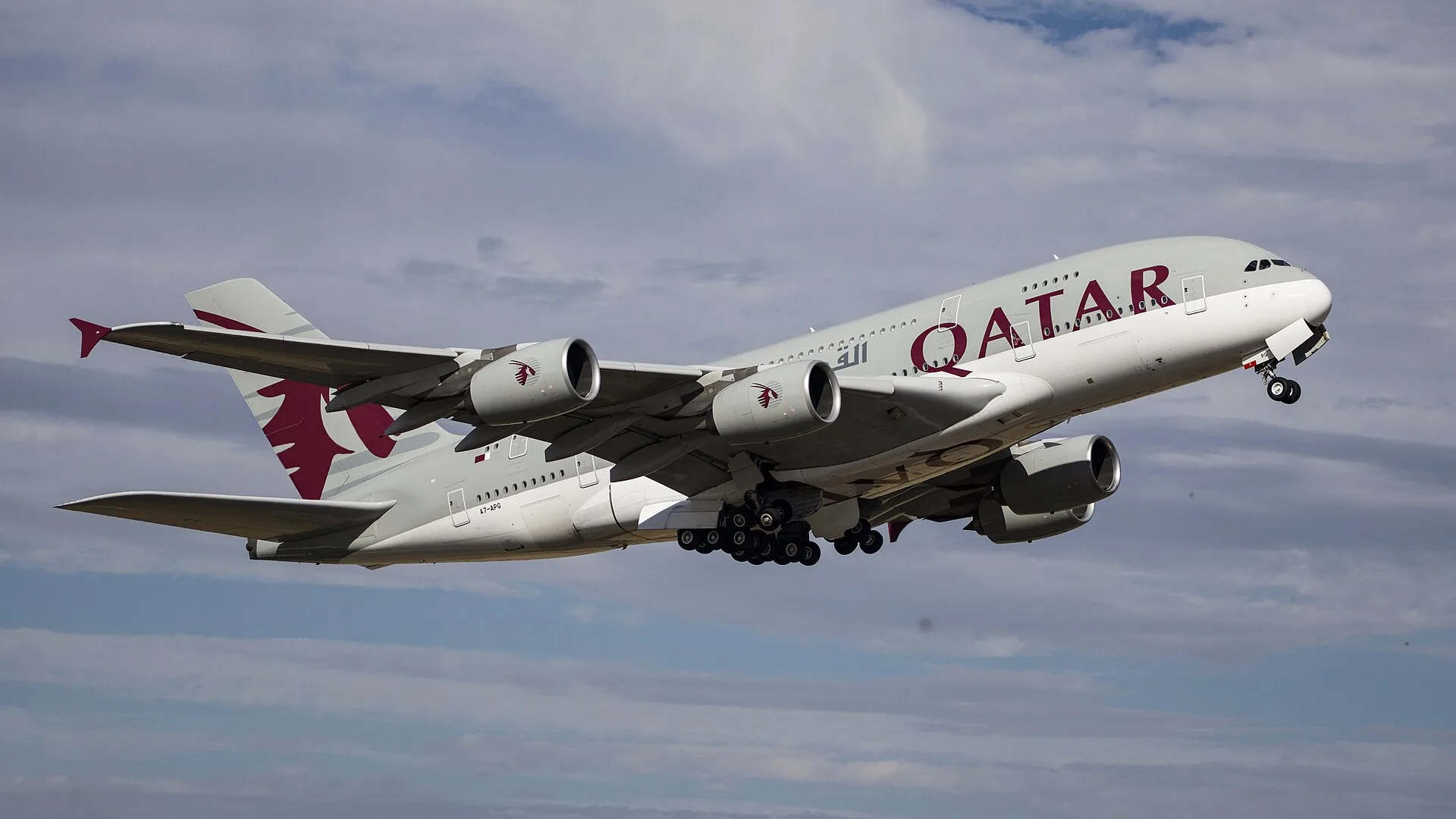
An Airbus A380 can offer an airline more than 600 seats or devote a large part of its two passenger decks to premium cabins. Both arrangements use the same basic aircraft. That choice says as much about the A380's working life as its size: the airframe creates the space, while the airline decides how to sell it.
The A380 first flew on 27 April 2005 and entered commercial service with Singapore Airlines on 25 October 2007. Its distinguishing feature is a full-length upper passenger deck above the main deck. The Airbus programme overview records the maiden flight. Singapore Airlines' contemporary release dates the first commercial service. The aircraft was designed around moving large numbers of passengers through major airports, where adding seats to an existing departure can be more practical than obtaining another departure slot.
A380-800 specifications
There is one delivered passenger size, the A380-800, with several certified engine and weight variants. A single maximum-weight or seating figure cannot describe every individual aircraft.
| Item | A380-800 reference |
|---|---|
| Passenger decks | Two full-length decks |
| Overall dimensions, rounded | 72.7 m long, 79.8 m span, 24.1 m high |
| Engines | Four Rolls-Royce Trent 900 or Engine Alliance GP7200-series turbofans |
| Maximum takeoff mass | Up to 575,000 kg, depending on approved weight variant |
| Published cruise reference | Mach 0.85 |
| Published maximum-range reference | Approximately 8,000 nautical miles |
| Minimum flight crew | Two pilots |
| Example airline capacities | Emirates lists 484, 489, 517 and 615 seats across different layouts |
| Current EASA emergency-evacuation approval | 868 passengers: 538 main deck and 330 upper deck |
The weight variants, crew minimum and evacuation figure come from EASA TCDS A.110, Issue 17, dated 5 August 2026. The rounded dimensions, cruise, range and actual cabin examples are published by Emirates, checked in November 2026. Maximum range and maximum passenger count are separate reference cases, rather than a promise that both can be achieved together.
Why 853, 868 and 615 can all appear in a search
The numbers answer different questions. Airbus's general product FAQ still quotes a certified maximum of 853 passengers. The current EASA certificate consulted for this guide states that 868 passengers are approved for emergency evacuation, with a specified split between decks. An airline's installed cabin is another figure again.
The practical answer to “how many seats does an A380 have?” is therefore the airline's layout for the particular aircraft. Emirates' published examples range from a 484-seat four-class cabin to a 615-seat two-class cabin. Those arrangements allocate different amounts of floor space to seats, premium accommodation and service areas. Airbus's overview, the dated EASA certificate and Emirates' cabin references make the distinction visible.
Evacuation approval does not establish that an airline has installed that number of seats, or that a specific cabin arrangement is automatically approved. Nor does it determine the cabin-crew requirement for every operator. The certificate contains its own deck and seating conditions; the airline operates an approved configuration within the relevant requirements.
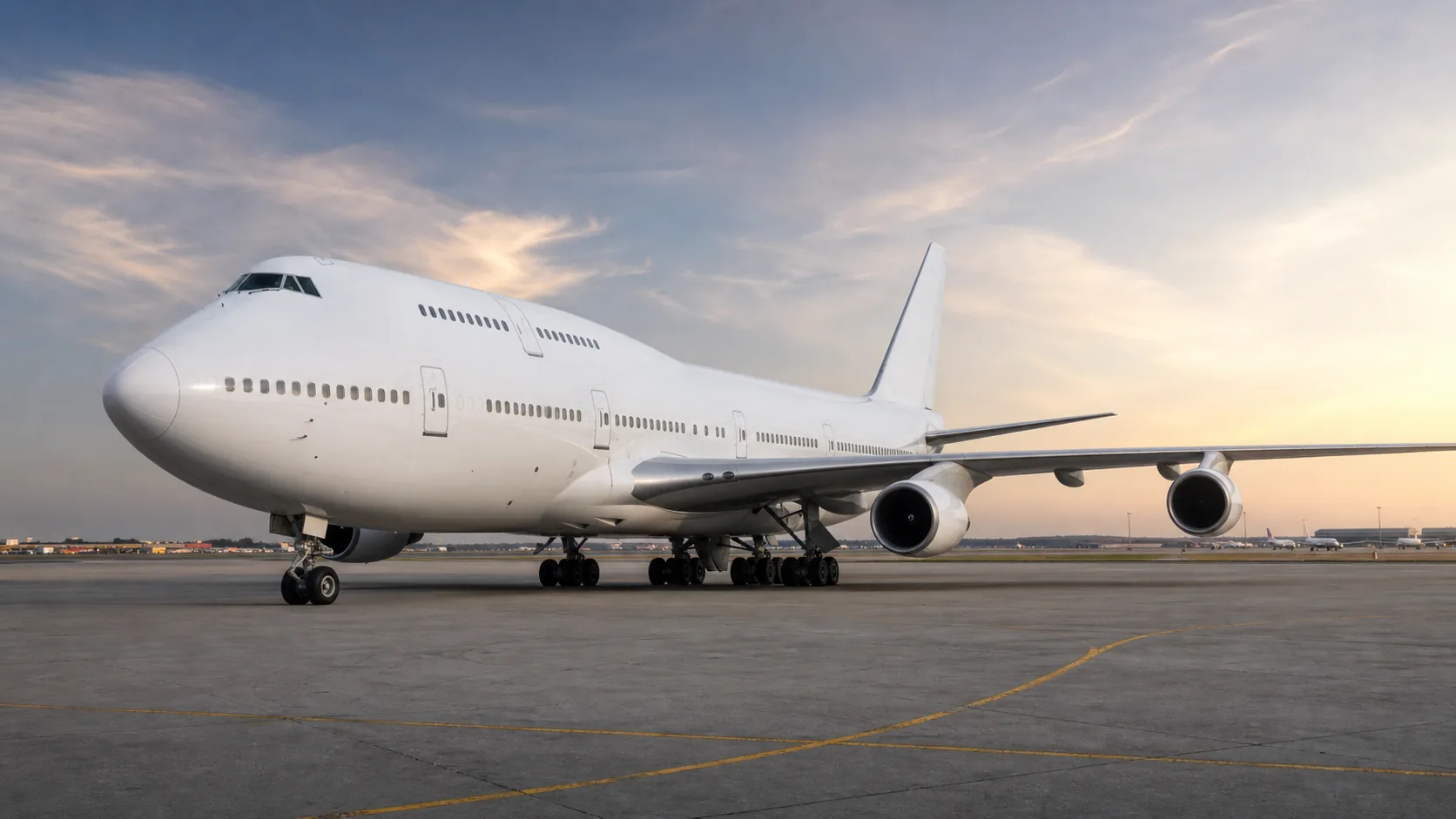
The double-deck comparison with the Boeing 747 is also useful. The A380's upper passenger deck extends along the fuselage, whereas the 747's upper deck occupies part of its length. The two aircraft consequently offer different ways to divide cabin space and service flows.
What the model suffix says about the engines
The A380's final digits help identify its propulsion installation. They do not describe a different fuselage length.
| Certified model | Engine installation listed in EASA's certificate |
|---|---|
| A380-841 | Four RB211 Trent 970-84 engines |
| A380-842 | Four RB211 Trent 972-84 or 972E-84 engines |
| A380-861 | Four Engine Alliance GP7270 engines |
These exact model pairings appear in EASA A.110, Sections III.1 and III.2. “Trent 900” and “GP7200” are convenient engine-family descriptions; the certified installation uses the more precise designations above.
That matters when discussing maintenance, performance or an individual airframe. Two aircraft carrying the same airline colours can belong to different engine fleets. Engine choice brings its own support arrangements and installation details, even when passengers see much the same cabin.
Weight variants require similar care. The certificate includes lower approved takeoff masses as well as the 575-tonne variants. An aircraft's applicable maximum is a configuration detail, rather than whatever highest number appears in a general article. The Airbus airport planning manual presents the associated weight and ground-planning data.
Two decks create an airport operation
A nearly 80-metre span affects stands, taxi routes and clearances. Two passenger decks also influence how an airport boards the aircraft, places bridges and coordinates ground services. An A380-compatible runway is only one part of accommodating an A380.
Airbus's planning manual gives the aircraft dimensions, turning paths, door positions and service arrangements that airport designers need. Those drawings turn a general claim about size into specific geometric questions: where do the outer engines pass, how much room does a turn require, and where can service equipment operate? Airbus's A380 airport planning data is the relevant source for those questions.
The same principle applies to the cabin. Selling hundreds of seats is valuable only if the airport and airline can handle the arriving passengers, bags, catering and onward connections. A successful turn depends on several jobs happening in parallel without obstructing one another. Increasing capacity in the air also concentrates work on the ground.
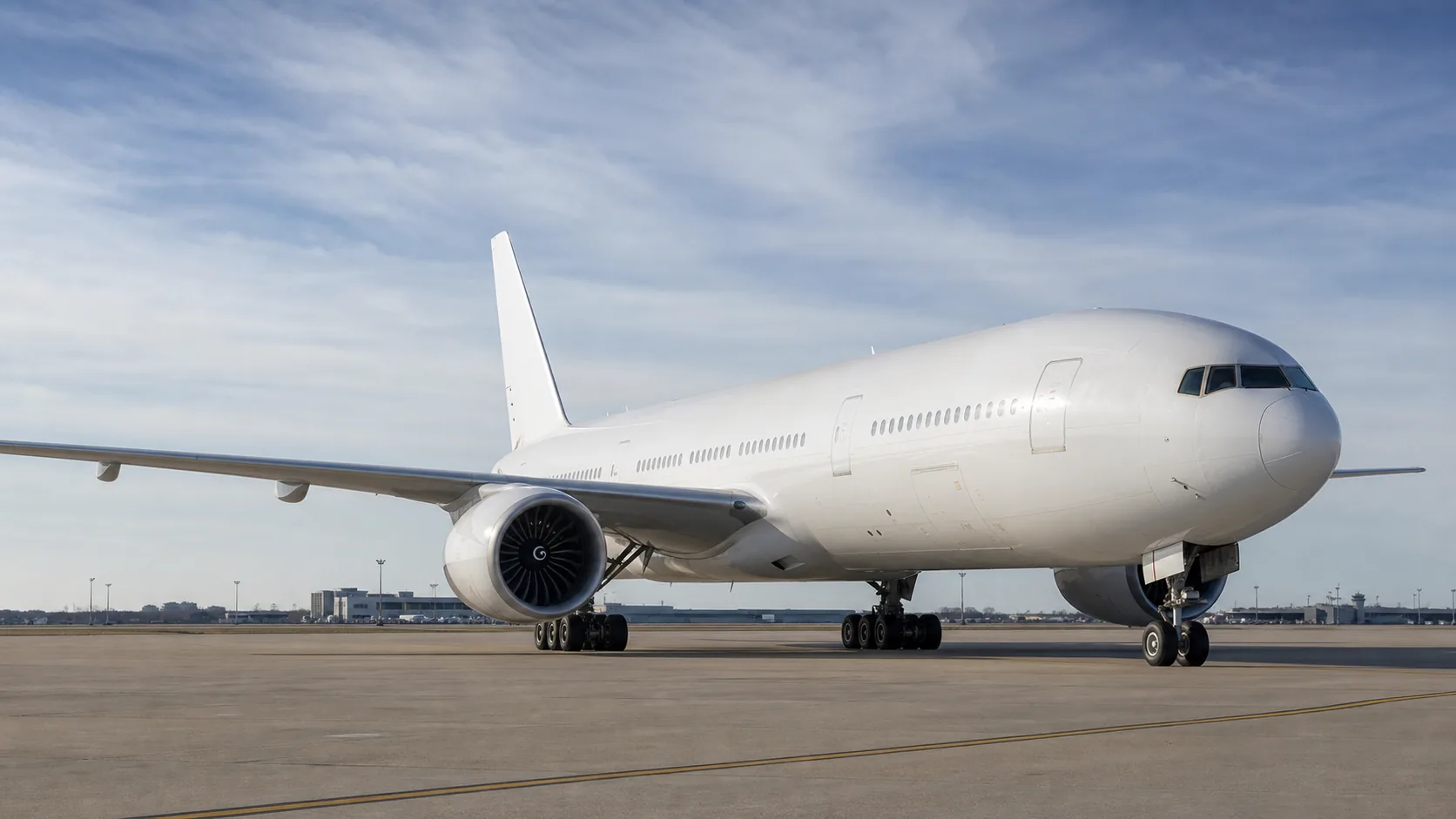
For a fleet comparison, the Boeing 777 shows a different approach to long-haul capacity through a large twin-engine aircraft. The relevant question is which capacity and frequency pattern suits the route, alongside operating cost and available infrastructure.
Flight controls: separate the command from the power
The A380 uses a flight-control architecture known as 2H2E: two segregated hydraulic circuits and two segregated electrical systems provide power paths for flight-control actuation. Electrically powered electro-hydrostatic actuators work alongside conventional hydraulic servocontrols. Airbus explains the arrangement in its flight-control redundancy account.
This is a useful distinction when explaining fly-by-wire. The electrical signal that requests a surface movement and the energy that physically moves the surface are different parts of the system. A digital command alone cannot move a large control surface. The actuator needs an available power source as well.
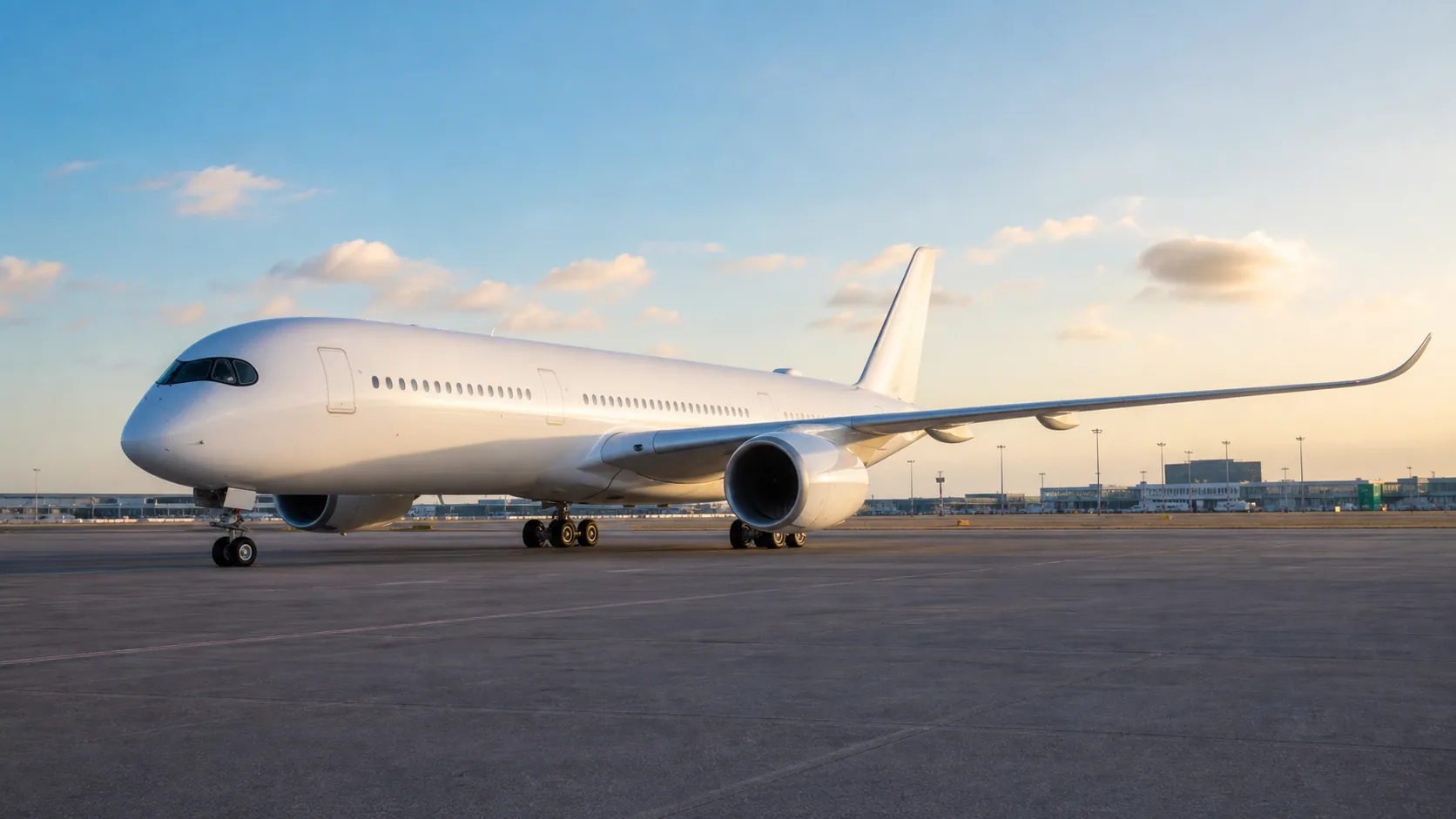
Airbus also identifies the A380's 5,000 psi hydraulic system and the 2H2E architecture in its programme account from the final delivery. The higher pressure allows a required actuator force to be obtained with a smaller piston area, although the installation has to accommodate the associated pressure loads. The A350 provides a useful follow-on study of Airbus's later application of this architecture.
Worked case: 470 passengers, two very different load factors
Take two of Emirates' published cabin examples for a simple commercial exercise. Put 470 passengers in a 484-seat A380 and the seat load factor is approximately 97.1%. Put the same 470 passengers in a 615-seat layout and it is approximately 76.4%.
The larger percentage does not establish which flight earns more. The cabins contain different products, and the revenue per occupied seat can differ substantially. Nor does the lower percentage mean that the airframe carried fewer people: both examples carried exactly 470. The capacity difference comes from cabin design.
The exercise explains why claims about cost or emissions “per passenger” need an occupancy assumption. Dividing a flight's total by all installed seats describes a different result from dividing by the passengers actually carried. Cabin mass, payload, route and fuel also have to be included in a real comparison. The seat counts here are from Emirates' published A380 configurations; the passenger total is hypothetical.
Airbus delivered the final production A380 to Emirates on 16 December 2021. Its delivery account identifies that aircraft as the 251st delivered. Production ending and an airline's decision to continue operating an existing aircraft are separate events. Fleet counts and route assignments need current operator evidence rather than an assumption based on the factory closure.
A380 questions
Who operated the first commercial A380 flight?
Singapore Airlines introduced the aircraft on 25 October 2007. Its first flight as a development aircraft had taken place on 27 April 2005.
How many passengers can an A380 carry?
Check the airline layout. Emirates publishes examples from 484 to 615 seats. EASA's August 2026 certificate separately records an emergency-evacuation approval for 868 passengers; Airbus's general FAQ still quotes 853.
Does every A380 have a 575-tonne maximum takeoff mass?
No. That is the upper figure among specified approved weight variants. Lower variants appear in the same certificate. The applicable aircraft configuration determines the limit.
Are the A380-841 and A380-861 different sizes?
They belong to the same A380-800 passenger size. Their suffixes identify different certified engine installations: Trent for the -841 and Engine Alliance for the -861.